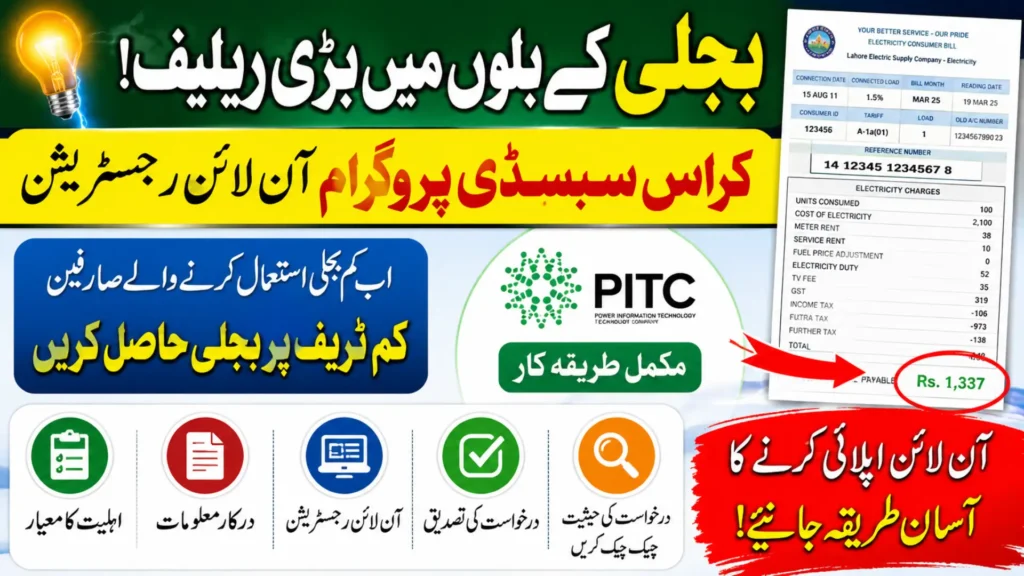
The Cross Subsidy Program is a government-backed electricity relief initiative designed specifically for low-income households across Pakistan. Instead of giving blanket discounts to every consumer, this scheme targets deserving families based on electricity usage and financial condition, making the support more effective and fair.
The PITC portal was chosen as the official registration platform because it connects directly with electricity distribution records and BISP data. This digital approach reduces paperwork, eliminates middlemen, and ensures that only genuinely eligible consumers receive the benefit after proper verification.
Who Qualifies for the Cross Subsidy Scheme
Eligibility is based on electricity consumption and household financial status. Consumers using 200 units or less per month are considered the primary target group, as lower usage typically reflects economically weaker households.
Here is a quick overview of who may qualify:
- Consumers with monthly usage of 200 units or less
- Registered BISP beneficiaries
- Low-income households with limited financial resources
- Deserving families meeting government-defined criteria
Consumers with higher electricity usage or stronger financial standing are generally not eligible under the current scheme conditions.

Pakistan’s electric vehicle (EV) sector may face a major policy shift as the government considers imposing up to 25% sales tax on imported electric vehicles in the upcoming federal budget. The proposed change comes as several tax exemptions available to the EV industry are scheduled to expire on June 30, 2026. If approved, the new…
Continue Reading Imported Electric Vehicles Could Be Taxed Up to 25% Under New Budget Plan

The Government of Pakistan, in collaboration with the Japan International Cooperation Agency (JICA), is launching a pioneering digital matchmaking platform designed to connect Pakistani IT companies with Japanese technology firms. This portal aims to create a structured and institutionally supported channel to facilitate partnerships in the technology sector. By leveraging this platform, Pakistani IT businesses can tap…
Continue Reading Digital Portal Opens New Opportunities for Pakistani IT Companies in Japan

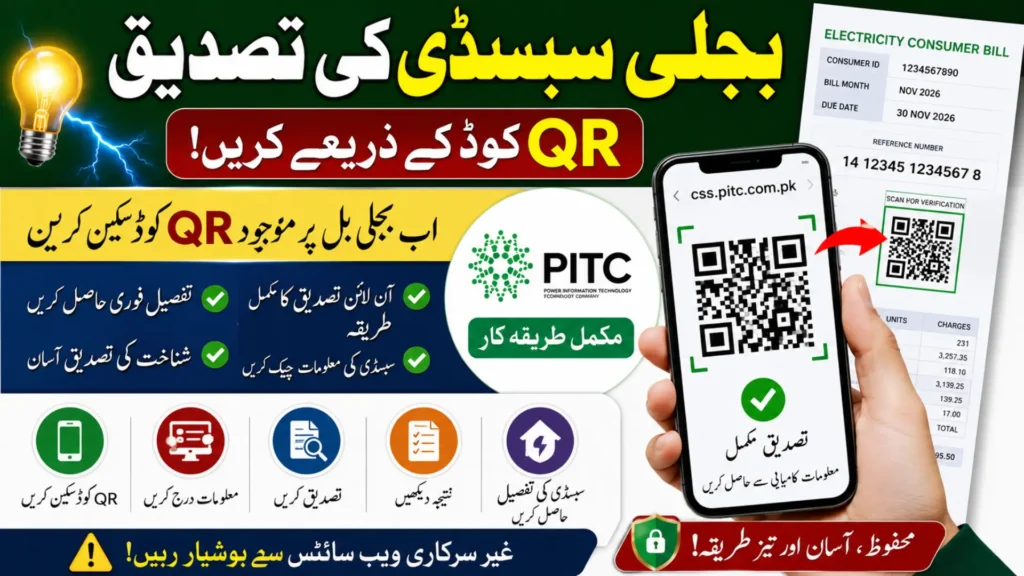
Electricity bills continue to increase across Pakistan, making government subsidy programs more important for low-income and middle-class households. To improve transparency and simplify verification, the PITC digital system now allows consumers to verify subsidy-related details through the css.pitc.com.pk QR verification process. This system helps users quickly access electricity consumer information by scanning a QR code…
Continue Reading Electricity Subsidy QR Code Verification Through css.pitc.com.pk

Pakistan’s rising electricity costs have made it difficult for many households to manage monthly utility bills. To provide relief to low-income and low-consumption consumers, the government introduced the Cross Subsidy Program through the PITC system. This program helps eligible households receive reduced electricity tariffs directly on their monthly bills without any cash payments. Many people…
Continue Reading Cross Subsidy Program Pakistan Online Registration Step by Step

The Government of Pakistan has officially announced a major relief package under the Benazir Income Support Programme for 2026. The latest BISP New Payment Increase Update brings higher financial assistance for low-income families struggling with inflation, rising utility bills, food prices, healthcare expenses, and educational costs. Under the supervision of Rubina Khalid, several welfare schemes…
Continue Reading BISP New Payment Increase Update & Check Benazir Nashonuma Programme Details
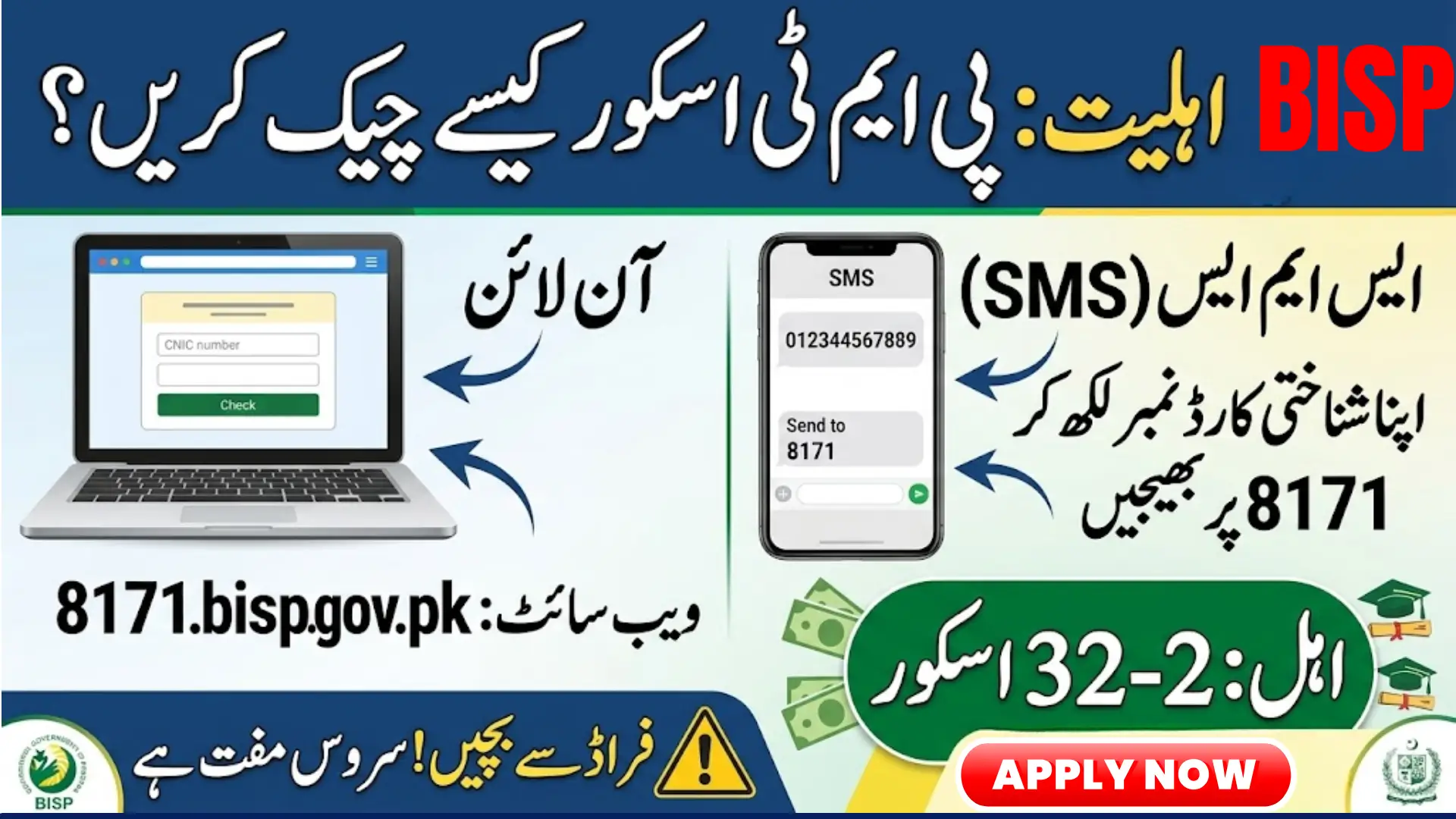
PMT stands for Proxy Means Test, and it is the government’s official system for measuring how financially vulnerable a household is. Rather than just checking a salary slip, it pulls data from multiple sources — property records, utility bills, vehicle ownership, family size, and NSER survey information — to generate a poverty score for each…
Continue Reading PMT Score Check Online 2026 VIA CNIC & With Easy Mathod
Information and Documents Required Before You Start
Preparing your information before opening the portal saves time and reduces errors. Missing or incorrect details are the most common reason applications get rejected or delayed.
Gather the following before starting:
- Electricity bill reference number (printed on your bill)
- Valid CNIC number
- Active personal mobile number
- Basic household details
- Updated BISP registration data (if applicable)
Double-check every detail before entering it into the form. Even one wrong digit in the reference number can trigger a registration error.
You can also read:
Cross Subsidy Program Online Registration
| Step | Action | Important Note |
|---|---|---|
| Step 1 | Open the official PITC subsidy portal | Use only the official government URL |
| Step 2 | Enter electricity bill reference number | Find it near the top of your bill |
| Step 3 | Fill in CNIC and personal details | Must match your official records |
| Step 4 | Add household and mobile information | Use an active number |
| Step 5 | Review and submit the application | Check all entries before submitting |
| Step 6 | Wait for system verification | Eligibility is checked automatically |
| Step 7 | Receive eligibility result | Check status through the portal |
The entire process is completed online through the PITC portal without needing to visit any government office initially. Most applicants can finish the form in under ten minutes if all information is ready in advance.
How to Find the Reference Number on Your Electricity Bill
The electricity bill reference number is one of the most important details in this registration. It appears near the top section of your printed electricity bill and is used to link your connection to the subsidy database.
If you are confused about which number to enter, look for a label that says “Reference Number” or “Ref No” on the bill. Avoid entering meter numbers or account numbers in its place, as those are different fields and will cause a verification mismatch.
Common Registration Errors and How to Avoid Them
Many applications fail not because of ineligibility but because of small avoidable mistakes. Being careful during data entry makes a significant difference in the outcome.
Most frequent errors include:
- Entering the wrong electricity bill reference number
- Mistyping CNIC digits
- Using a switched-off or inactive mobile number
- Applying through unofficial or fake websites
- Submitting incomplete household information
Always review the form once before final submission. Submitting wrong data and reapplying wastes time and may cause system-level complications.
What to Do If the PITC Portal Is Not Working
Heavy traffic during peak hours often slows down or temporarily crashes the portal. This is a known issue that affects many government registration systems in Pakistan and is not a permanent problem.
If you face loading issues or submission errors, try these quick fixes:
- Refresh the browser page and wait a few seconds
- Switch to a different browser (Chrome, Firefox, or Edge)
- Clear your browser cache and cookies
- Check your internet connection stability
- Apply during early morning or late-night hours when traffic is lower
Avoid submitting your form multiple times if you are unsure whether the first submission went through. Duplicate entries may cause confusion in the verification process.
Is There Any Fee for Cross Subsidy Registration
The Cross Subsidy Program registration through the PITC portal is completely free of cost. The government has officially confirmed that no fee, charge, or payment is required at any stage of the application process.
Be very careful of scammers who may contact you through calls, WhatsApp, or social media claiming they can speed up your registration for a small fee. These are fraudulent individuals with no connection to the official scheme. Always apply directly through the official government portal and never share your CNIC or financial details with unknown agents.
You can also read: Cross Subsidy Program Apply Online VIA PITC Portal
How to Check Your Cross Subsidy Application Status
After submitting your application, you do not need to visit any office to track progress. The PITC portal allows consumers to check their application status online using the same electricity bill details used during registration.
Keep a screenshot or note of your application confirmation after submission. If your status shows pending for an extended period, it usually means verification is still in progress. Eligible consumers receive their electricity bill discount once the system completes the approval process.
Why Low-Unit Consumers Are Being Prioritized
The 200-unit threshold is not arbitrary. Government data consistently shows that households consuming less electricity tend to be smaller, lower-income families with fewer appliances and tighter budgets. By using consumption as a filter, the scheme ensures relief reaches people who need it most rather than those who can already manage their utility expenses comfortably.
This targeted approach also makes the program financially sustainable. Instead of subsidizing everyone, the government focuses available resources on specific groups — daily wage workers, widow households, BISP families, and small rural consumers — who genuinely benefit from even a modest reduction in monthly electricity expenses.
Conclusion
The Cross Subsidy Program Online Registration through the PITC portal is one of the most practical electricity relief opportunities available to low-income Pakistani families right now. The process is straightforward, free, and entirely digital, which removes the need to travel or deal with bureaucratic delays.
Focus on accuracy above everything else. Use correct information, apply only through the official portal, ignore any fee demands, and track your status patiently after submission. Eligible families who complete the process correctly stand a strong chance of receiving meaningful relief on their monthly electricity bills in 2026.